Five Trends That Define the 2026 MLB Playoffs
转载声明:本文转载自 The Ringer,版权归原作者及原媒体所有。
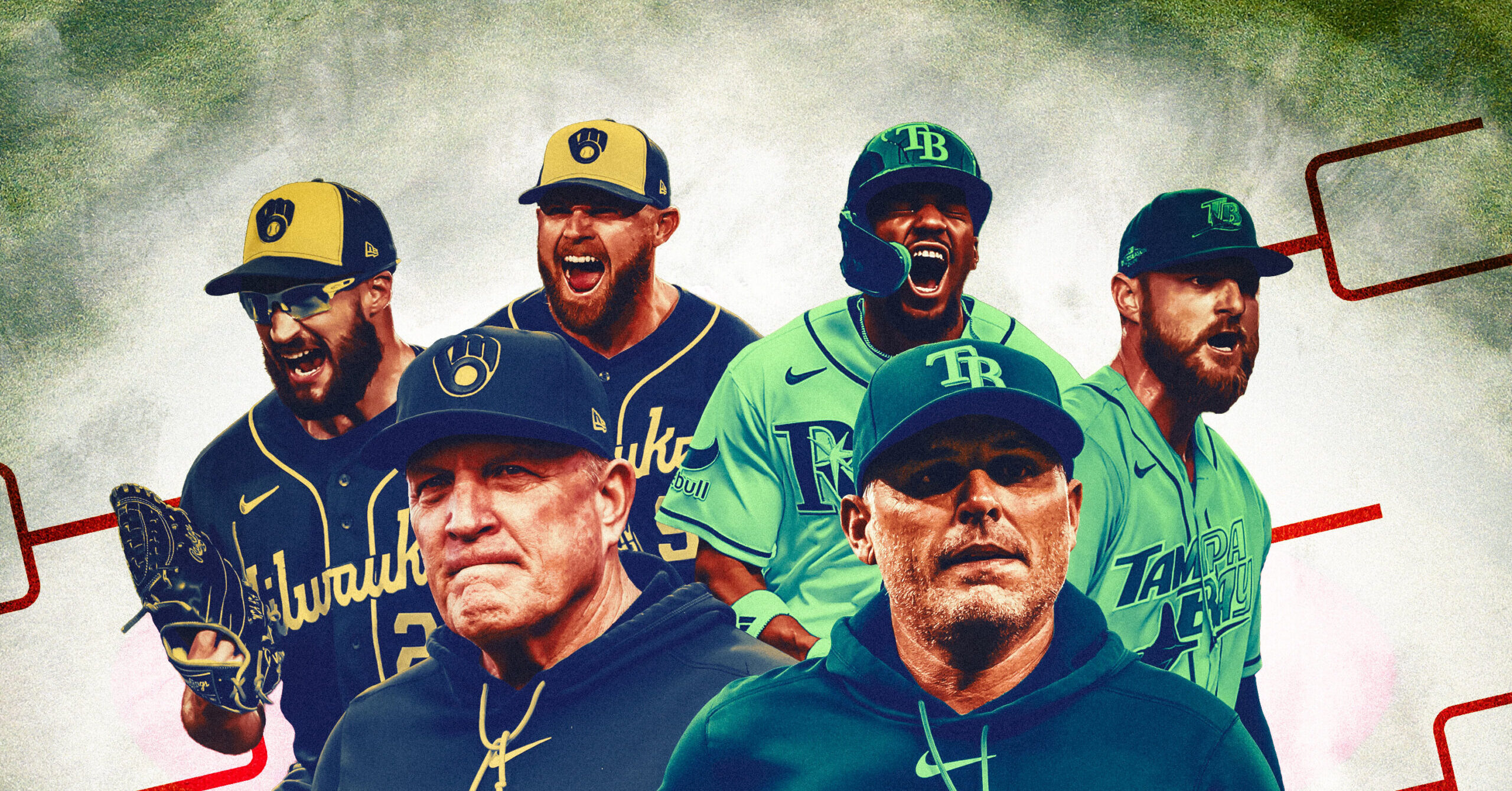
After leading a life of leisure since dispatching the Guardians and Dodgers , respectively, the Rays and Brewers will suit up and play ball on Friday, as the World Series starts in Milwaukee. The nightmare matchup for network execs and salary-cap accelerationists should offer ample pleasures for fans whose interests lie in crisp, competitive baseball, compelling characters, and delayed gratification. Unreplenished since the Rays and Diamondbacks debuted in 1998, the league’s supply of championship virgins has dwindled to five franchises, and will soon shrink to four: Famously, Rays-Brewers will be the first Fall Classic matchup since 1980 (and the second since 1920) to guarantee a first-time trophy winner.
In terms of games played, the postseason is somewhere between 91 and 95 percent complete, depending on how long the last round lasts. So as we wait for the climax, let’s take stock of five trends that have helped define these playoffs so far—and that could come into play over the final four-to-seven games. Then we’ll wrap up by pinpointing the most notable divergence between the Brewers and Rays, two Spider-Man-Pointing-meme teams.
’Tis the (post)season for random results, but 2026 must have missed the memo about short-series chaos. This has not been the October to trot out the Billy Beane “ crapshoot ” quote. Based on recent outcomes, one could almost mistake baseball for a predictable sport. These are the Palpatine playoffs, where (almost) everything is proceeding as we have foreseen .
Sure, in light of preseason projections and institutional hurdles, both the Brewers and Rays qualify as big-picture underdogs whose success stands to soak the sportsbooks (such a pity).
But each club led its league in wins during the regular season, so with that context, they aren’t miscast as the last two teams standing. This is the sixth time since the advent of the Division Series in 1995 that no. 1 seeds have clashed in the World Series, but that stat undersells the uniqueness of the 2026 bracket. One measly (best-of-three) series so far has gone to the lower-seeded team, and that’s only because MLB’s division-centric seeding system anointed an AL West winner with the worst full-season record of any playoff team in history (the 81-81 Astros) higher than the AL Central’s second-place, 84-win White Sox. For the first time in the wild-card era, every series prior to the World one went to the team with the superior regular-season record. If the Brewers beat the Rays, playoff teams with better regular-season records will have won wire-to-wire. And both betting/prediction markets and statistical projections give Milwaukee (which has home-field advantage) the edge.
Granted, regular-season records aren’t the only means by which to determine a favorite: The Brewers were the betting underdogs entering the NLCS, which we could dismiss as Dodgers bias if not for the fact that some objective projections saw the series the same way. Still, the potential for regular-season standouts to run the table at the tournament—in a year when truly daunting teams were few and far between—has saved us from fretting about the playoff format or lamenting the small-sample cruelty of the October baseball gods.
Or, for that matter, the relative merits of “rest” vs. “rust,” a debate that raged in the topsy-turvy 2022 and 2023 playoffs, when five of the eight teams that earned a first-round bye were forced to say good bye in the division series. Could the drawbacks of sitting on the sidelines really outweigh the benefits of taking it easy while one’s upcoming opponent fought for playoff life? The idea seemed dubious even then, and in the larger sample since, order has been restored , and “rest” has had its revenge. After this year’s bye teams went 4-for-4 in the Division Series to wipe out the wild cards, teams that skip straight to the DS (which tend to be better teams to begin with) are now 13-7 overall in the 12-team-playoffs era. And, per Joe Sheehan, teams that have entered any playoff series with at least four days of rest, and more rest than their opponents—the spot the Brewers find themselves in now—have improved their collective record to 17-8. The defense of “rest,” well, rests.
The downside of seeing all these series swing toward the (arguably) better teams in 2026 has been a deficit of suspense, and a lot of extra, idle days for fans and players alike. Only two of 10 series so far (the all-NL-East Braves-Phillies wild-card showdown and the all-AL-Central White Sox–Guardians ALDS) have gone the distance, so a seven-game World Series with some winner-take-all drama would be welcome. Regardless of how long this last duel endures, this postseason will have featured by far the fewest games of any tournament since the 12-team format premiered in 2022.
The Eight Factors That Will Decide the World Series